
Nuôi đầu đuôi khung 3 ngày là một phương pháp chơi lô đề rất hiệu quả và phổ biến hiện nay. Tuy nó mang đến cho người chơi tỷ lệ ăn cao nhưng cách chơi của nó có chút phức tạp hơn so với những phương pháp chơi khác. Thế nên, để hiểu được rõ nét hơn về nuôi đầu đuôi khung 3 ngày thì mời anh em cùng theo dõi bài viết hôm nay của Fi88link nhé!
Nuôi đầu đuôi khung 3 ngày là như thế nào?

Nuôi đầu đuôi khung 3 ngày nghĩa là anh em phải dự đoán hai số đầu hoặc cuối của giải số đặc biệt. Sau đó, người chơi sẽ bỏ ra một số vốn nhất định để nuôi các con số đó trong 3 ngày liên tiếp. Nếu như trong khoảng thời gian đó nhận thấy tỷ lệ nổ của các con số đó không cao thì anh em nên bỏ đi, đừng theo nữa.
Hướng dẫn cách soi cầu đầu đuôi khung 3 ngày đúng từng cm từ cao thủ
Mặc dù nuôi đầu đuôi khung 3 ngày là một phương pháp tương đối khó hơn chút so với các phương pháp khác hiện nay nhưng khi anh em đã nắm rõ được bản chất rồi thì đường đi đến chiến thắng sẽ nhanh, gọn, lẹ và dễ dàng hơn. Ngay bây giờ đây bài viết sẽ giới thiệu đến mọi người những hướng để nuôi đầu đuôi khung 3 ngày chuẩn nhất.
Phương pháp nuôi đầu đuôi khung 3 ngày theo tổng giải đặc biệt
Đối với hình thức chơi này, anh em không cần tốn quá nhiều thời gian vào việc thu thập, thống kê con số may mắn trong một thời gian dài mà chỉ cần theo dõi và để ý kết quả giải đặc biệt của những ngày liền trước đó. Sau đó sẽ tiến hành cộng tất cả các số lại và nuôi chúng trong vài ngày tới. Ví dụ dưới đây sẽ giúp anh em dễ hình dung hơn về phương pháp này
Vd: Nếu như kết quả giải đặc biệt xổ số hôm nay là 31865 thì tổng số ta có là 23. Vậy là anh em mình sẽ có cặp số đầu đuôi để đánh vào hôm sau lần lượt là là 23 và 32.
Phương pháp nuôi theo giải Bảy của kết quả xổ số
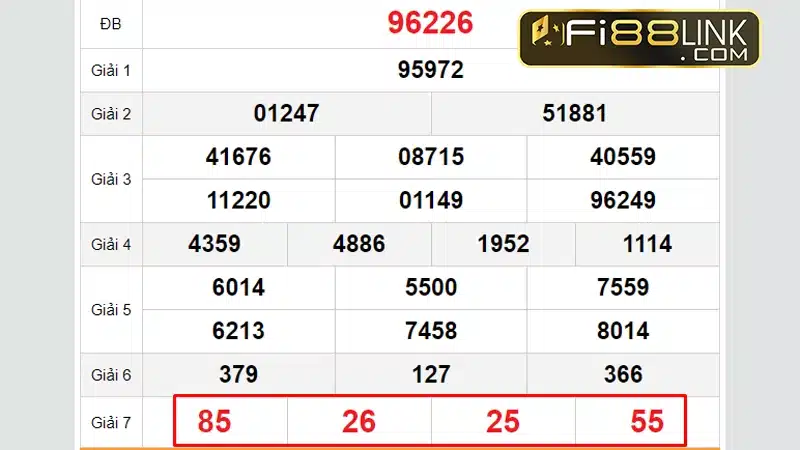
Đây là một trong những phương pháp nuôi đầu đuôi khung 3 ngày được sử dụng đại trà ở miền Bắc. anh em sẽ chú ý đến các cặp số ở giải Bảy của các ngày trước. Nếu theo dõi và nhận thấy rằng giải Bảy của ngày trước có đầu 7.1 trùng với đuôi 7.4 hoặc đầu 7.4 trùng với đuôi 7.1 thì đây chính là dấu hiệu cho thấy kèo số này sắp về bờ. Anh em nên nuôi cặp số này trong 3 ngày tiếp theo vì đây là tín hiệu cho thấy tỉ lệ ra trúng thưởng rất là cao trong ngày hôm sau.
Phương pháp nuôi theo giải Bảy của kết quả xổ số
Đây là một trong những phương pháp nuôi đầu đuôi khung 3 ngày được sử dụng đại trà ở miền Bắc. anh em sẽ chú ý đến các cặp số ở giải Bảy của các ngày trước. Nếu theo dõi và nhận thấy rằng giải Bảy của ngày trước có đầu 7.3 trùng với đuôi 7.6 hoặc đầu 7.6 trùng với đuôi 7.3 thì đây chính là dấu hiệu cho thấy kèo số này sắp về bờ. Anh em nên nuôi cặp số này trong 3 ngày tiếp theo vì đây là tín hiệu cho thấy tỉ lệ ra trúng thưởng rất là cao trong ngày hôm sau.
Vd: kết quả quay thưởng của giải Bảy là 78, 42, 67, 82. vậy anh em có thể thấy 7,1 có số 8 ở cuối trùng với đầu 7,4. Cho nên sang ngày thứ 2 nên đánh kép 8 đầu và đuôi để nuôi khung 3 ngày.
Phương pháp nuôi theo kép giải đặc biệt
Đây là một phương pháp chưa phổ biến lắm, phần lớn là các cao thủ lô đề lâu năm mới biết đến mà vận dụng. Nếu thấy 2 số đầu hoặc 2 số giữa của giải đặc biệt ra kép thì hãy sử dụng dàn đề kép để làm cầu đầu đuôi trong khung 3 ngày. Theo kinh nghiệm từ các tay chơi đi trước thì cách nuôi đầu đuôi khung 3 ngày này khá hiệu quả và mang về tỷ lệ thắng rất cao.
Vd: giải đặc biệt hôm đó là 26612, thì anh em có thể nuôi các cầu kép 66 trong 3 ngày tới.
Phương pháp nuôi đầu đuôi khung 3 ngày theo lô câm
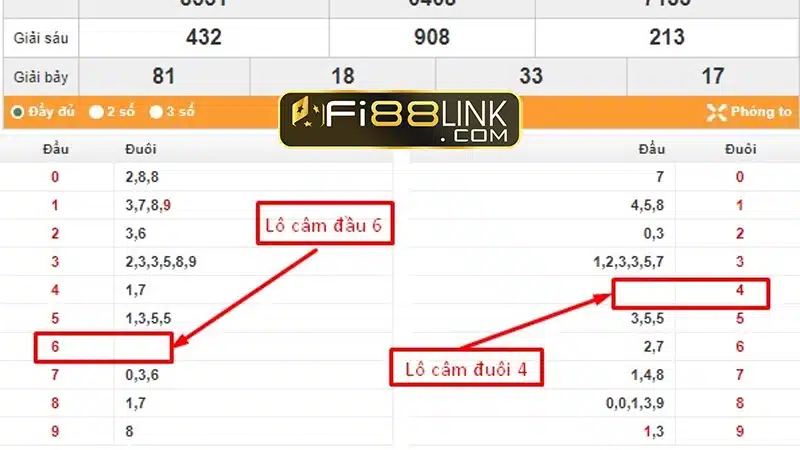
Ngoài các cách soi cầu đầu đuôi trên thì phương pháp nuôi đầu đuôi khung 3 ngày lô câm cũng được đông đảo các anh em áp dụng. Có lẽ, anh em sẽ mất một ít thời gian vào việc thu thập, tổng hợp số liệu. Người chơi sẽ tiến hành ghi chép lại kết quả xổ số trong một khoảng thời gian dài.
Sau đó, chọn lọc lại các giải có số về bờ theo lô câm. Nếu như nhận ra những cặp số kép theo lô câm đầu hoặc lô câm đuôi thì hãy tiến hành nuôi con lô câm đó ngay nhé. Bởi đây là dấu hiệu báo đề đầu đuôi về kép trong những ngày tiếp theo là rất cao đó.
Người chơi khi nuôi đầu đuôi hung 3 ngày cần lưu ý điều gì ?
- Người chơi cần có nguồn vốn ổn định, bởi chơi theo cách này thường khá tốn kém và thu lợi lâu dài.
- Khi tham gia chơi nuôi đầu đuôi khung 3 ngày, người chơi cần có tâm lý vững vàng không lung lay, tránh trường giữa đường lại buông bỏ, như vậy sẽ không những không lời mà còn thâm cả vốn nữa
- Phải dừng lại ngay nếu thấy cầu đầu đuôi khung 3 ngày về, vì đã trúng rồi khó mà trúng nữa
>>Xem thêm: Lô kép nuôi khung 2 ngày
Kết luận
Bài viết đã hoàn thành nhiệm vụ tư vấn cho anh em về nuôi đầu đuôi khung 3 ngày rồi. Anh em cần lưu ý những gì mà bài viết đã đề cập để tránh những rủi ro không mong muốn nhé! Những phương pháp trên đây sẽ phù hộ anh em trong quá trình đánh lô để sinh lời.
