
Làm cò cá độ bóng đá hiện đang là ngành kinh doanh siêu lợi nhuận thu hút sự quan tâm của nhiều anh em quan tâm. Tuy nhiên, nghề nào cũng có ưu và nhược điểm của nó. Với cá độ bóng đá, anh em chỉ cần bỏ ra một khoản tiền nhỏ là đã có thể thắng lớn. Nhưng không phải ai đến với sân chơi này cũng biết cách tham gia an toàn. Vì vậy hãy cùng Fi88 tìm hiểu cách kiếm tiền thú vị này nhé!
Làm cò cá độ bóng đá là gì?
Cá độ bóng đá có thể nói là hoạt động giải trí mà anh em sẽ sử dụng tiền thật để đặt cược. Nếu thắng, người chơi kiếm được lợi nhuận, nếu thua, anh em sẽ mất đi số tiền cược đó. Cá độ bóng đá có nhiều kèo và tỷ lệ cá cược để người chơi có thể tự do lựa chọn. Anh em có thể thực hiện đặt cược trực tiếp với nhà cái, nhưng bên cạnh đó cũng có thể chọn làm việc với cò bóng đá

Làm cò cá độ bóng đá sẽ có nhiệm vụ tổng hợp, ghi chép các kèo cược do người chơi lựa chọn. Sau đó, tiến hành chuyển đến nhà cái và chờ kết quả. Tất nhiên, người làm cò phải thu tiền của anh em và chung lại tiền nếu người đó thắng cược. Cò bóng đá đóng vai trò trung gian giữa nhà cái và người chơi. Sau khi hoàn thành, người làm cò cá độ bóng đá sẽ nhận hoa hồng của mình theo những thỏa thuận trước đó.
Nhìn một cách tổng thể, làm cò bóng đá có phần giống với hình thức thầu lô đề. Đây là lý do tại sao nhiều anh em đã kiếm bộn tiền khi chọn công việc này. Vậy làm thế nào để làm cò bóng đá đạt được hiệu quả nhất? Đừng vội bỏ những kiến thức hữu ích tiếp theo đây.
Làm cò cá độ bóng đá sẽ thu về lợi nhuận bao nhiêu?
Số tiền một người làm cò cá độ bóng đá thu được trong một đêm ở các giải đấu thường rơi vào khoảng 10 triệu đồng. Đặc biệt là ở những mùa giải lớn như World Cup, Ngoại hạng Anh, Euro,… thì số tiền kiếm về lại càng khủng hơn.

Cuối mỗi mùa giải, anh em làm cò cá độ bóng đá sẽ thu về cho mình vài trăm triệu là chuyện bình thường. Như vậy không phải quá đơn giản để kiếm tiền? Vậy sao tất cả mọi người không chơi để có cơ hội đổi đời ngay?
Đáp án quan trọng nhất là: khi làm cò bóng đá bắt buộc, anh em phải tuân thủ nghiêm ngặt những lưu ý và nguyên tắc đã đề ra từ ban đầu. Chỉ như thế, thu nhập mới có thể tăng lên đáng kể.
Ai sẽ phù hợp để làm cò cá độ bóng đá?
Làm cò cá độ bóng đá là một hình thức trung gian giữa người chơi và nhà cái. Việc làm này dường như giảm thiểu mức độ tương tác từ xa giữa hai đối tượng nhằm rút ngắn thời gian tìm hiểu lẫn nhau cũng như cá độ bóng đá của người chơi. Cũng giống như bao nghề cò đất thông thường khác. Tuy nhiên, điểm hấp dẫn của nghề này là có thể thu nhập khủng chỉ sau một trận đấu hoặc một mùa bóng.
Người có kỹ năng giao tiếp tốt
Đây là yếu tố rất quan trọng nếu anh em muốn trở thành một tay làm cò cá độ bóng đá thực thụ. Vì tính chất công việc tiếp xúc nhiều nên người chơi phải giỏi giao tiếp. Chỉ có như vậy chúng ta mới có thể nắm bắt được tâm lý của người chơi và thuyết phục người đó đặt cược vào nhà cái mà anh ta làm việc. Những người có kỹ năng giao tiếp tốt chắc chắn sẽ được hưởng lợi từ tuyến đường này.

Người có kiến thức về bóng đá
Với tính chất của nghề làm cò cá độ bóng đá, người thực hiện phải có kiến thức chuyên sâu về bộ môn này. Bởi vì nó là một công cụ theo ý của anh em để tư vấn cho khách hàng và đáp ứng nhu cầu của họ. Một người làm cò không có kiến thức về bóng đá thực sự không thể làm được công việc này.
Người có nhiều mối quan hệ
Để tìm được khách hàng khi làm cò cá độ bóng đá, nhà cái phải có nhiều mối quan hệ, đặc biệt là trong lĩnh vực bóng đá. Để đạt được điều này, cò phải tuyệt đối chứng minh cho khách hàng rằng họ là người mà họ tin tưởng. Chỉ có như vậy thì người chơi mới tin tưởng và tham gia ngày càng nhiều hơn. Đồng thời, mạng lưới người tham gia cá cược cũng sẽ được mở rộng, nhà cái cũng có nhiều mối liên hệ hơn.

Muốn làm cò cá độ bóng đá hiệu quả cần lưu ý điều gì?
Những bí quyết làm cò bóng đá dưới đây sẽ giúp anh em kiếm tiền với công việc này và làm giàu hiệu quả hơn. Những lưu ý tuy rất nhỏ nhưng lại có ảnh hưởng lớn đến công việc anh em muốn làm.
Tạo được những vị khách trung thành
Có một số lượng lớn người đặt cược với anh em làm cò cá độ bóng đá là rất tốt, nhưng nó sẽ còn tốt hơn nếu anh em có cho mình những vị khách hàng trung thành. Đây là những người chơi thường xuyên, đều đặn đặt cược mỗi ngày. Họ chính là yếu tố quan trọng mang đến thu nhập ổn định và lâu dài cho anh em.
Với một khách hàng VIP như vậy, anh em sẽ tránh được rủi ro trắng tay vì trường hợp không có hoa hồng.
Chọn nhà cái uy tín
Hiện nay, có rất nhiều tên tuổi nhà cái khác nhau hoạt động trên thị trường cá cược bóng đá. Nhưng không phải bất kỳ nhà cái nào cũng chất lượng và đáng tin cậy. Người làm cò bóng đá nên chọn cho mình một địa chỉ thật uy tín vì những lý do sau:
- Người chơi tin tưởng và tham gia cá cược nhiều hơn.
- Nguồn khách hàng trung thành đông đảo và ổn định.
- Chế độ đãi ngộ hoa hồng rất cao nên dự sẽ là một nguồn thu nhập tuyệt vời.
- Đảm bảo niềm tin vào giao dịch khi hoàn trả hoa hồng đối với người làm cò bóng đá.
- Sản phẩm cá cược đa dạng và dịch vụ hỗ trợ cho khách hàng cực kỳ tốt.
Chính vì vậy việc lựa chọn một nhà cái chất lượng để tiến hành làm cò cá độ bóng đá là điều vô cùng quan trọng khi anh em bắt đầu đến với hành trình làm giàu của mình.
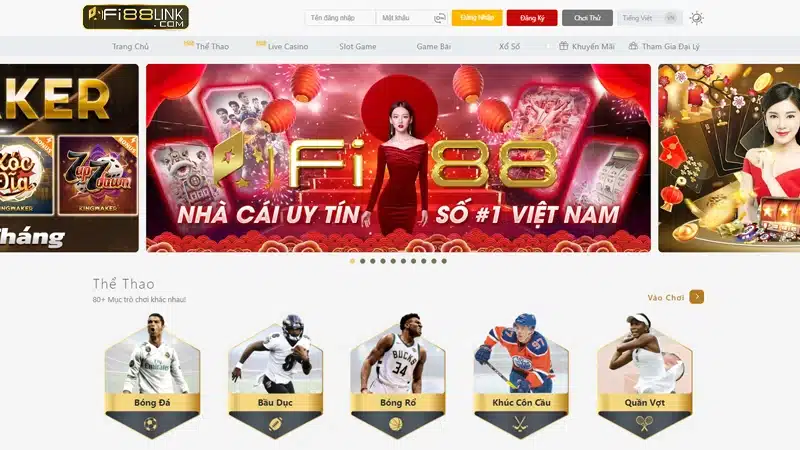
Bài viết sẽ gợi ý cho anh em Fi88 – một đơn vị nhà cái chuẩn mực, hội tụ đầy đủ các yếu tố cần thiết giúp anh em kiếm tiền mỗi ngày không giới hạn.
Fi88 là một thương hiệu uy tín hàng đầu, hoa hồng trả cho việc làm cò cá độ bóng đá lên đến 50% và mới xuất hiện trên thị trường không lâu nên ít có sự cạnh tranh. Đây là thời điểm tuyệt vời giúp anh em cá cược hiệu quả.
Không nên nhận cược nợ
Nhiều nhà cái chỉ muốn hút khách, giữ chân cược thủ mà chấp nhận việc nợ nần. Điều này sẽ khiến họ dễ rơi vào tình trạng bị lừa đảo và rất dễ mất tiền.
Muốn làm cò cá độ bóng đá được hiệu quả và an toàn thì anh em bắt buộc phải dùng một cái đầu lạnh. Tuyệt đối không để xảy ra tình trạng cho cược nợ. Đặc biệt đối với những người chơi có nợ xấu, thanh toán chậm,… Khi hạn chế điều đó giúp thu nhập của anh em được đảm bảo.
Cách kiếm tiền khi làm cò cá độ bóng đá
Để có thể làm cò cá độ bóng đá chuyên nghiệp thì trước hết anh em phải nắm rõ thông tin nhà cái, tâm lý khách hàng và một số kiến thức cá cược.
- Ngoài ra, anh em cần viết ra những nguyên tắc cơ bản nhất để giải thích cho khách hàng và hướng dẫn người chơi lựa chọn trận đấu có tỷ lệ cược cao nhất.
- Đặc biệt những người làm nghề này cần tìm hiểu thêm thông tin tổng hợp các thuật ngữ cá độ bóng đá để có thể thực hiện một cách chuyên nghiệp trước mặt khách hàng.
- Xây dựng mối quan hệ cũng là một yếu tố vô cùng cần thiết vì không phải tự nhiên mà khách hàng đến với anh em.
- Anh em cần tạo dựng niềm tin và bắt được càng nhiều khách hàng tiềm năng càng tốt nếu muốn có thu nhập tốt. Vì không phải dân chơi cá cược nào cũng giỏi mà phải biết khéo léo đặt cược lẻ mới ăn được tiền cược lớn.
- Tất cả những điều này chủ yếu dựa vào tài ăn nói, sự thông minh và một chút may mắn mà anh em mang lại cho người chơi và nhà cái.
- Ngoài tiền cược trực tiếp, làm cò cá độ bóng đá còn nhận được số tiền khuyến mãi khi nạp vào nhà cái. Vì vậy với những ai có ý định làm nghề này có thể thấy lợi thế cực lớn của cò đất chỉ trong một trận bóng.
Tuy nhiên, anh em cũng cần lưu ý rằng không phải khách hàng nào cũng có thể chi tiêu nhiều cho một trò chơi. Vì đôi khi sẽ có những ván cược lớn hoặc cược lẻ để giành được một khoản tiền lớn. Vì vậy, để có thu nhập ổn định, người làm cò bóng đá phải chuẩn bị cho mình một lượng khách hàng tiềm năng, kinh tế vững chắc và hơn hết là đam mê chơi cá cược.
Những việc cần làm khi muốn trở thành cò cá độ bóng đá
Để có thể bắt đầu 1 công việc liên quan đến đầu tư vào cá độ nói chung, hay cụ thể là làm cò cá độ bóng đá được dễ dàng hơn, anh em cần phải trang bị đầy đủ những kiến thức hữu ích cho mình.
Phải tiếp cận khách hàng
Khách hàng có nhu cầu chơi cá độ bóng đá có nhiều thành phần, tầng lớp. Làm cò cá độ bóng đá muốn kiếm lời thì phải tiếp cận được khách hàng mục tiêu. Đây là những khách hàng vừa có đam mê vừa có tiềm lực kinh tế. Đó sẽ là những người cần tham gia cá độ bóng đá và cần những người để kết nối họ tại nhà cái.

Khi làm cò bóng đá, không nên tìm đến những khách hàng có điều kiện kinh tế không chắc chắn, vì điều này không có lợi cho anh em cũng như không có lợi cho họ nếu họ thua. Vì vậy, việc tìm kiếm khách hàng cũng đóng một vai trò rất quan trọng trong nghề này.
Có kỹ năng, kinh nghiệm
Tất nhiên, những người mới bắt đầu không thể tránh khỏi những tình huống rủi ro. Làm cò cá độ bóng đá thường là những người có tài tính toán, phân chia tốt. Sự cân bằng hợp lý giúp người chơi được hưởng lợi từ các quyết định của mình.
Tích lũy kỹ năng
Sau khi trải qua những lần chọn kèo không phù hợp, anh em nên rút kinh nghiệm cho bản thân mình. Không nên chạy theo những ván cược quá mạo hiểm. Đồng thời, người chơi cũng phải là người đam mê thể thao, có khả năng đọc được suy nghĩ và phân tích đối thủ. Chỉ trong khoảng thời gian đó mới có thể đưa ra câu trả lời chính xác nhất cho anh em.
Các quy tắc nên nhớ khi làm cò cá độ bóng đá
Làm cò cá độ bóng đá mang lại cho những ai theo đuổi công việc này một khoản thu nhập lớn. Tuy nhiên, không phải ai cũng làm được điều này và để đạt hiệu quả anh em cần ghi nhớ những nguyên tắc sau:
- Làm cò cá độ bóng đá sẽ không thể tránh khỏi những khoản nợ khó đòi hay khách hàng chậm trả. Vì vậy, cần tìm những khách hàng có kinh tế vững chắc và đủ danh tiếng để hạn chế rủi ro.
- Đối với những khách hàng quen thuộc và đáng tin cậy, trong một số trường hợp, anh em cần linh hoạt đầu tư trước.
- Để đảm bảo nguồn vốn của mình, anh em phải cẩn thận lựa chọn nhà cái cá cược uy tín. Một gợi ý dành cho người chơi đó là nhà cái uy tín Fi88 – trang cá cược hàng đầu thị trường 2023.
Làm cò cá độ bóng đá có thể giàu lên được không?
Nhiều người chơi thắc mắc rằng, làm cò cá độ bóng đá có làm giàu được không? Theo kinh nghiệm của những chuyên gia đi trước, nghề này chắc chắn sẽ kiếm được rất nhiều tiền. Mức thu nhập ít nhiều phụ thuộc vào kỹ năng và năng lực của anh em nên rất xứng đáng với những gì anh em bỏ ra.

Có nhiều anh em chỉ theo dạng ghi kèo banh truyền thống nhưng đã mua được xe hơi, nhà cửa và cuộc sống ổn định, nói như thế để anh em có thể yên tâm học hỏi và thử vận may cho mình.
Sau một thời gian dài làm công việc ghi banh truyền thống, hãy học cách bắt đầu làm cò cá độ bóng đá tại một nhà cái cá cược trực tuyến uy tín và thuê một số người chơi tiếp thị để hỗ trợ anh em (trong trường hợp anh em có đam mê và nguồn vốn mạnh).
Không ngừng tìm hiểu thêm về các nhà cái lớn mạnh và an toàn để đăng ký tham gia làm cò bóng đá, xây dựng cho mình website, thực hiện các chương trình quảng cáo, marketing,…để đưa website của anh em lên top đầu của công cụ tìm kiếm Google. Tại đây, người chơi chắc chắn sẽ tự động tìm đến trang web của anh em mỗi ngày liên tục và tất nhiên anh em sẽ có thu nhập kha khá sau đó.
Ngoài bóng đá, vẫn còn rất nhiều sản phẩm của nhà cái có thể bổ sung vào website của anh em với lượng người chơi ngày một tăng như: đánh bài, bắn cá, bầu cua,… Nguồn lợi nhuận khổng lồ đã có mặt và đang chờ đón anh em đến mang về. Chỉ cần có niềm đam mê, nhiệt huyết và đặc biệt là phải kiên nhẫn chờ đợi vì đối với ngành công nghiệp trực tuyến này cần có thời gian để phát triển.
Nên làm cò cá độ bóng đá ở địa chỉ nào?
Dựa vào những lưu ý trên, anh em có thể tự lựa chọn những thương hiệu nhà cái uy tín nhất cho mình. Có tiềm lực tài chính mạnh để làm giàu nhanh chóng, đảm bảo độ an toàn, bảo mật khi chơi. Với các tiêu chí:
- Các phương thức cá cược đơn giản, dễ dàng cho mọi người đều có thể tham gia đối với cả người cũ lẫn người mới, không quá rắc rối, dễ ăn, dễ chơi.
- Giao diện dễ dùng, bắt mắt giúp người chơi có ấn tượng tốt ngay từ ban đầu cũng như không cảm thấy khó chịu khi chơi quá lâu.
- Ưu tiên vấn đề bảo mật cho người chơi đặt lên hàng đầu, thiết lập các công nghệ hiện đại nhằm giữ được thông tin cá nhân, giúp anh em an tâm hơn khi tham gia tại đây
- Thời gian thực hiện giao dịch nạp rút tiền nhanh chóng, không bị gián đoạn hoặc quá rườm rà.
- Thường xuyên mang đến cho khách hàng những ưu đãi đặc biệt: thưởng chào mừng, hoàn trả, chính sách nạp tiền,…
- Có trang bị đội ngũ nhân viên chuyên nghiệp, qua đào tạo bài bản để có thể hỗ trợ người chơi trong mọi tình huống gặp phải một cách nhanh chóng nhất.
Kết luận
Bài viết trên đã cung cấp cho các anh em thông tin về cách làm cò cá độ bóng đá hiệu quả và cực kỳ đơn giản. Hy vọng điều này sẽ giúp cho những người muốn kiếm thêm thu nhập với phương pháp này cảm thấy tự tin hơn. Hãy tỉnh dùng những kiến thức mà mình có được để tìm đến một địa điểm uy tín. Chúc anh em thành công!
