
Lập kèo là gì? Ngày nay, những người tham gia cá cược trên thị trường cá cược bóng đá đã không còn xa lạ gì về các thể loại kèo cũng như khái niệm về lap keo la gi. Hầu như những người đam mê bộ môn thể thao này luôn muốn mình tham gia những kèo cược thật tốt để giành chiến thắng. Điều này đòi hỏi anh em phải trang bị kinh nghiệm cá cược thật tốt mới hiểu được diễn biến trận đấu. Để người chơi biết rõ hơn về lập kèo là sao, bài viết dưới đây của Fi88 sẽ giải đáp mọi thắc mắc!
Thế nào là cá độ bóng đá?

Trong bất kỳ trò chơi nào, để giành chiến thắng, chúng ta phải hiểu trò chơi. Trước khi đi vào tìm hiểu lập kèo là gì, người chơi phải biết về cá độ bóng đá để những tân thủ mới tham gia vào lĩnh vực này đỡ bỡ ngỡ và làm quen được dễ dàng hơn.
Theo đó, cá cược bóng đá hiểu đơn giản là hình thức tiến hành đặt cược giữa một hoặc là một nhóm người. Nó có thể theo phương thức cá cược truyền thống hoặc qua Internet. Trò chơi cá cược không hề dễ dàng và có nhiều thuật ngữ phức tạp. Sẽ không phải đơn giản để có được kết quả chính xác như trong toán học 1 + 1 = 2. Do đó, việc hiểu lập kèo là gì và sức hút của trò chơi đã khiến anh em không thể chối từ.
Giới thiệu về kèo trong bóng đá
Nói một cách dễ hiểu thì lập kèo là gì trong bóng đá cũng chính là một trong những thuật ngữ cần phải có dùng để giải thích về tỷ lệ giữa các đội bóng đá nằm trong danh sách tham gia thi đấu trong các trận đấu cụ thể mà người chơi đã lựa chọn đặt cược.
Bên cạnh đó thì cũng sẽ tùy vào mỗi một nhà cái khác nhau mà người chơi lựa chọn tham gia đặt kèo sẽ có những tỷ lệ lựa chọn đặt cược kèo khác nhau để cho người chơi có thể lựa chọn thỏa mái trong cách lập kèo là gì – kèo là gì trong bóng đá.
Chưa kể với mỗi tỷ lệ cược khác nhau trong keo la sao thì sẽ đều dành cho các trận đấu cụ thể, được lựa chọn trước đó để giúp cho người chơi có thể dễ lựa chọn và hình dung hơn.
Điều này còn giúp cho người chơi có thể tiết kiệm được nhiều khoảng thời gian. Bởi vì nếu không lập kèo là gì trong bóng đá cụ thể như này thì sẽ dễ gây ra nhiều rắc rối trong khâu đặt cược kèo.
Giải thích cách lập kèo là gì?
Trong quá trình tìm hiểu lập kèo là gì, nếu như người chơi không nắm kỹ thông tin thì rất dễ gây ra việc tìm kiếm sẽ mất khá nhiều rủi ro hơn. Chính vì thế mà để có thể trở thành một người chơi giỏi trong việc đặt cược kèo cũng như là lập kèo là gì một cách chuyên nghiệp thì cần phải hiểu được ý nghĩa của nó một cách chi tiết nhất.
Thông qua những số liệu mà bài viết cung cấp cho người chơi thì sẽ hiểu được thông tin từng loại kèo khác nhau và từ đó người chơi sẽ hiểu rõ hơn về cách lập kèo là sao để có những chiến thuật chơi đặt cược kèo tốt hơn.
Những việc cần phải làm để lập kèo bóng đá chuẩn xác nhất

Những người có chung niềm đam mê và kiến thức về bóng đá thường tìm hiểu những thông tin có liên quan đến vấn đề lập kèo là gì và soi kèo thật kỹ càng. Họ dựa vào những thông tin, phương tiện truyền thông, diễn đàn cá cược,… để từ đó đưa ra những đánh giá, dự đoán chính xác nhất về trận đấu. Trước khi tham gia cá cược, có một số thao tác cần thực hiện bên cạnh việc tìm hiểu lập kèo là gì như:
- Ngay khi nhà cái đã công bố tỷ lệ kèo, anh em phải cập nhật ngay lập tức. Thông thường nhà cái sẽ đưa kèo trước khi trận đấu diễn ra vài ngày.
- Thường xuyên cập nhật kết quả bảng tỷ lệ kèo. Thông tin về các thay đổi và biến động của kèo có thể được tìm thấy trong thời điểm này. Đừng quên rằng vào ngày cuối cùng trước trận đấu, nhà cái liên tục thay đổi mức cược.
- Cần phân tích kỹ lịch sử đối đầu, thành phần tham gia, lối chơi chiến lược của 2 đội,…
- Khoảng 45 phút trước thời gian trận đấu, anh em nên kiểm tra lại các tỷ lệ kèo cược một lần nữa để chắc chắn hơn.
Kinh nghiệm lập kèo bóng đá của các cao thủ
Nếu chịu khó tìm hiểu lập kèo là gì và nghiên cứu thì cá độ bóng đá không sẽ không còn là vấn đề quá khó. Nếu anh em thích nó, hãy dành nhiều thời gian và nghiêm túc trau dồi. Một số kinh nghiệm dưới đây của chuyên gia lâu năm sẽ giúp anh em cải thiện kỹ năng lập kèo của mình.
Biết nắm bắt xu thế
Biết lập kèo là gì và muốn thắng mọi trận đấu thì phải biết phải biết cập nhật xu hướng. Bởi như thế sẽ cung cấp phân tích và dự báo tốt nhất cho anh em. Khi làm được như vậy là người chơi đã đi được nửa chặng đường rồi, khỏi sợ rơi vào cạm bẫy nhà cái.
Tuy nhiên, nhiều trận có lịch thi đấu sớm, nhà cái sẽ có thời gian để phân tích trước khi quyết định đưa ra tỷ lệ kèo. Họ dụ dỗ người chơi và rồi đến ngày đá chính họ sẽ thay đổi. Nếu anh em không tinh tế nhận ra, rất có thể anh em sẽ đưa ra những quyết định sai lầm.
Chọn thời cơ thích hợp
Cá cược từ lâu luôn là trò chơi có tính chất may rủi cao. Vì vậy, người chơi cần nắm bắt mọi cơ hội đến với mình để giành chiến thắng, trong lập kèo là gì cũng thế. Kèo châu Âu chỉ cần dự đoán kết quả trận đấu là thắng, hòa hay thua. Nhà cái đưa ra kèo châu Á để cho người chơi thấy được thực lực của hai đội ngang nhau hơn.
Trong khi anh em luôn cố gắng tìm hiểu, suy đoán, phân tích,…thì ở phía nhà cái, dù đội nào thắng hay thua họ cũng nhận được lợi nhuận. Thực tế, sức mạnh của mỗi đội không thể nào đo đếm được bằng những con số. Điều gì cũng có thể xảy ra, đặc biệt là trong bóng đá. Do đó, vẫn còn tồn tại lỗ hổng trong bảng dự đoán, hãy nắm lấy cơ hội để giành chiến thắng về cho mình nhé.
Căn cứ vào vị trí của bảng xếp hạng
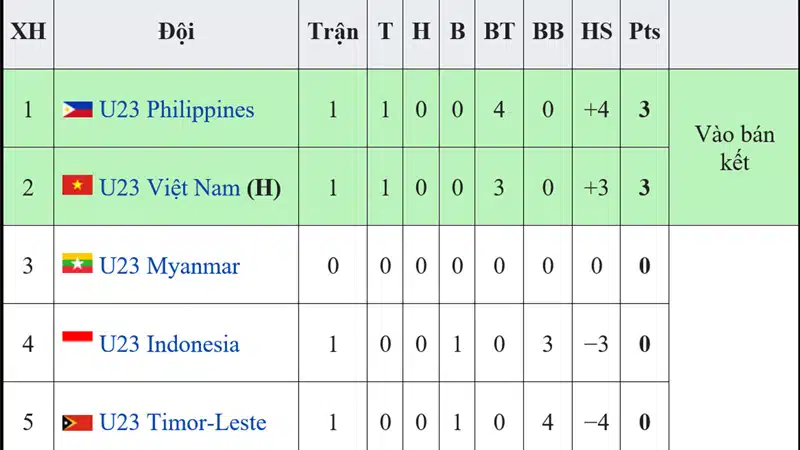
Một bí quyết lập kèo cá độ bóng đá hiệu quả nữa là anh em phải dựa vào bảng xếp hạng của đội bóng. Nói như thế là do nếu anh em biết lập kèo là gì, thứ hạng của một đội, anh em sẽ biết hiệu suất như thế nào. Dù mọi thứ có thể thay đổi trong bóng đá, nhưng phần lớn, những đội xếp hạng cao hơn chắc chắn có cơ hội thắng nhiều hơn.
Nếu thứ hạng của 2 đội cách nhau quá xa trong một trận đấu, kinh nghiệm cá cược hiệu quả của chuyên gia là người chơi nên chọn đội mạnh hơn. Nhưng với những đội nằm kèo dưới, anh em đừng chọn chấp quá sâu.
Người chơi phải tìm hiểu lập kèo là gì và cân nhắc thật kỹ càng trước khi đưa ra một quyết định cụ thể nào đó. Và thông thường khoảng 30 phút trước trận đấu là thời điểm xuống tiền thích hợp. Do đó, nếu anh em đặt cược quá lâu, tỷ lệ chấp sẽ ngay lập tức giảm từ 1 xuống 0,75.
Dựa vào thực tế
Nhiều anh em ngày nay sử dụng kinh nghiệm lựa chọn kèo bóng đá dựa trên thực tế thay vì luôn tin vào một trang cá cược. Và đây được nhận định là một cách chơi rất thông minh.
Vì các nhà cái thường sẽ cung cấp thông tin trước khi bắt đầu trận đấu nên đôi khi chúng không đảm bảo độ chính xác 100%. Đồng thời, nhận định là ý kiến chủ quan của tác giả. Vì vậy, anh em hãy quan tâm lập kèo là gì và đánh giá thật kỹ tình huống thực tế của đội chơi để xem mọi chuyện như thế nào.
Nghiên cứu tỷ lệ kèo
Nếu anh em muốn lập tỷ lệ cược chuẩn xác, chắc chắn phải nên dành thời gian để nghiên cứu tỷ lệ cược được cung cấp bởi các địa chỉ nhà cái uy tín. Và kinh nghiệm của những người đi trước là không nên chọn những đội bóng lớn có tỷ lệ kèo thấp.
Bởi vì nhiều người thường tin tưởng vào các đội bóng tên tuổi. Nếu có nhiều người đặt cược, nhà cái sẽ chọn lật kèo. Từ đó, anh em có thể thua trong cay đắng mặc dù nắm rất rõ cách lập kèo là gì. Do đó, anh em nên chọn vào đội nào yếu hơn với tỷ lệ kèo cược cao hơn. Khi giành chiến thắng, anh em sẽ về được một khoản tiền thưởng cực lớn.
Dừng lại đúng lúc
Trước khi bắt đầu đặt cược, anh em nên xác định nguồn lợi nhuận mong muốn của mình. Đồng thời kết hợp với lối chơi phù hợp nhất và các thông liên về lập kèo là gì. Anh em phải cần tính toán một nguồn thu nhập có thể chấp nhận được dựa trên ngân sách đang có được sử dụng.
Ví dụ anh em bỏ ra 5 triệu đồng để chơi. Lợi nhuận hợp lý mà anh em có thể nhận được ngày hôm đó có thể là 500 – 700 VND. Khi đạt được nguồn lợi nhuận này, anh em phải giữ vững lập trường là dừng trò chơi lại. Đừng thấy thắng quá nhiều mà mạnh tay đặt cược nhiều hơn, chắc chắn anh em sẽ phải hối hận sau đó.
Vào kèo phù hợp

Bên cạnh việc cần nằm lòng kiến thức lập kèo là gì thì chọn đúng thời điểm cũng rất quan trọng trong kinh nghiệm cá độ bóng đá hiện nay. Vì sẽ có nhiều thời điểm mà nhà cái đưa ra cho người chơi tỷ lệ kèo cược rất cao nhưng cũng có những lúc tỷ lệ cược giảm xuống khá thấp. Do đó, người chơi phải cân nhắc và suy nghĩ để đưa ra lựa chọn đúng đắn.
Tốt nhất, anh em nên dành thời gian để kiểm tra tất cả tỷ lệ cược, tỷ lệ kèo mà nhà cái đó đưa ra cứ sau 4 đến 5 giờ để xem tình hình thế nào. Nếu không có được nhiều thời gian để biết lập kèo là gì và xem kèo mà nhà cái đưa ra, anh em nên truy cập ít nhất 1 lần trong ngày vào khoảng 16 đến 17h. Đặc biệt là 30 – 60 phút trước khi bắt đầu trận đấu chính thức, mọi người nên suy nghĩ xem nhà cái lúc này có thay đổi hay không.
>>Xem thêm: Soi kèo khi tỷ lệ cược biến động
Chọn nhà cái uy tín
Cuối cùng, khi muốn tìm hiểu lập kèo là gì và cá cược bóng đá, anh em phải lựa chọn cho mình một nhà cái uy tín, chất lượng, bởi khi tham gia vào những địa chỉ này có ảnh hưởng trực tiếp đến số tiền thưởng thu được sau mỗi trận cá cược. Ngoài ra, nhà cái uy tín cũng sẽ giúp bảo mật thông tin cá nhân của anh em tốt hơn.
Lựa chọn một trang cá cược chất lượng cũng không quá khó, anh em hoàn toàn có thể căn cứ vào tiêu chí hoạt động cũng như thời gian hoạt động của nhà cái này. Tiếp theo, hãy kiểm tra giấy phép xem nhà cái này có hoạt động một cách hợp pháp hay không? Trụ sở chính ở đâu? Trang web chính thức là gì? Nếu tất cả các chi tiết này là cụ thể, minh bạch thì anh em có thể mạnh dạn lựa chọn và tin tưởng để tiến hành trải nghiệm lập kèo là gì.
Kết luận
Trên đây là một số thông tin chi tiết về lập kèo là gì cũng như các loại kèo cơ bản mà người chơi bóng đá sẽ gặp. Những nội dung này đã được bài viết thu thập và cung cấp vô cùng kĩ lưỡng để có thể mang lại cho người chơi cách lập kèo như thế nào dễ thắng nhất. Hy vọng qua đây sẽ giúp ích được cho người chơi khi lựa chọn kèo để đặt cược bóng đá. Chúc anh em thành công!
