
Soi cầu Rồng Hổ là phương pháp được rất nhiều người hiện nay sử dụng để tìm kiếm chiến thắng trong trò chơi này. Nhưng đâu mới thực sự là cách soi cầu chính xác và đơn giản nhất vẫn là điều mà nhiều người chơi chưa nắm bắt được. Do đó, trong bài viết ngày hôm nay, các bạn sẽ được tham khảo các phương pháp soi cầu siêu hiệu quả đến từ các chuyên gia Fi88 trong bộ môn Rồng Hổ.
Luật chơi game Rồng Hổ có thể bạn chưa nắm vững
Trước khi biết được cách soi cầu Rồng Hổ ra sao thì mọi người cũng cần nắm bắt được luật chơi một cách thấu đáo nhất.

Trên thực tế, luật chơi của game Rồng Hổ tương đối đơn giản và dễ nhớ với tất cả người chơi, kể cả tân binh:
- Trò chơi sẽ có 2 cửa cược chính là Rồng và Hổ nhưng rất nhiều phiên bản hiện nay có thêm các cửa cược mới để tăng độ hấp dẫn.
- Người chơi sẽ được chia bài cửa Rồng trước rồi đến cửa Hổ sau, mỗi bên sẽ có 1 lá bài duy nhất. Đây cũng là thời điểm mà người chơi cần phải tính toán thật kỹ rồi đưa ra quyết định đặt cược cuối cùng.
- Luật chơi của game Rồng Hổ có nhiều nét tương đồng với game Poker và Blackjack nên mọi người có thể dựa vào đó để ghi nhớ và dễ hiểu hơn.
- Lá bìa A sẽ được tính là 1 điểm, còn lá J, Q, K sẽ tương ứng với 10 điểm, 11 điểm và 12 điểm.
- Trong cửa Hòa, nếu như bạn giành được chiến thắng thì bạn sẽ chỉ nhận được 50% số tiền thưởng.
Những điều cần chuẩn bị trước khi tham gia soi cầu Rồng Hổ
Với luật chơi siêu đơn giản trên, nhiều người đã nhanh chóng bắt tay vào soi cầu Rồng Hổ. Nhưng để có được độ chính xác cao hơn, các bạn cũng nên có những chuẩn bị kỹ lưỡng trước khi soi cầu. Cụ thể là:
- Người chơi cần phải chuẩn bị cho mình những kiến thức cơ bản nhất về game Rồng Hổ cũng như các cách soi cầu Rồng hổ hiệu quả. Những yếu tố cơ bản bạn cần nắm rõ như quy luật chơi, cách tính điểm, cách đặt cược,….
- Mọi người cũng nên chuẩn bị cho bản thân một nguồn vốn đủ cho các trải nghiệm của bạn tại game Rồng Hổ. Càng có nhiều vốn thì tỷ lệ chiến thắng của người chơi càng cao, càng ít rủi ro hơn. Nguyên nhân là do những người có ít tiền vốn thường không có nhiều lần tham gia cá cược, dễ bị tâm lý đè nặng hơn.
- Trước khi tiến hành soi cầu Rồng Hổ, người chơi cũng cần chuẩn bị một cái đầu lạnh, bình tĩnh. Bởi yếu tố tâm lý sẽ quyết định rất nhiều tới kết quả soi cầu của mọi người chơi.
Các phương pháp soi cầu Rồng Hổ chính xác và hiệu quả nhất hiện nay
Tính tới thời điểm hiện tại, có rất nhiều phương pháp soi cầu Rồng Hổ được đưa ra cho mọi người tham khảo và áp dụng. Nhưng không phải cách nào cũng mang lại cho người chơi hiệu quả cao nhất cho người chơi. Chính vì thế, các cao thủ đã chia sẻ một vài cách soi cầu đơn giản mà chính xác cao dưới đây mà các bạn nên sử dụng ngay:
Soi cầu Rồng Hổ 1 – 1
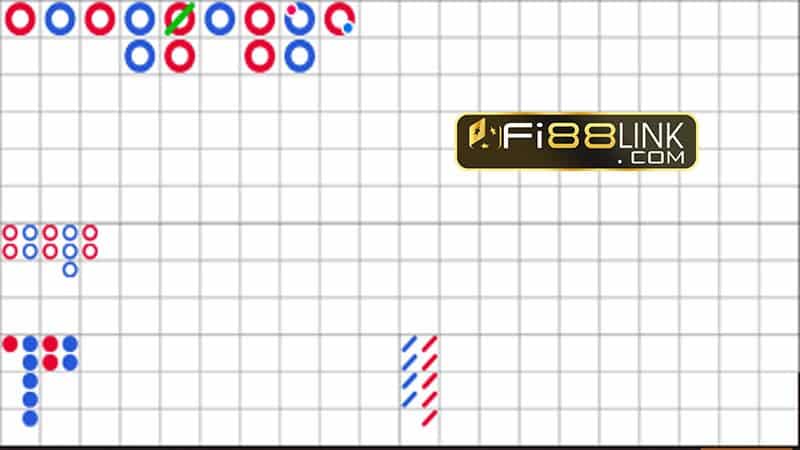
Soi cầu Rồng Hổ 1-1 được cho là phương pháp soi cầu phổ biến nhất hiện nay mà bất cứ người chơi nào cũng biết tới.
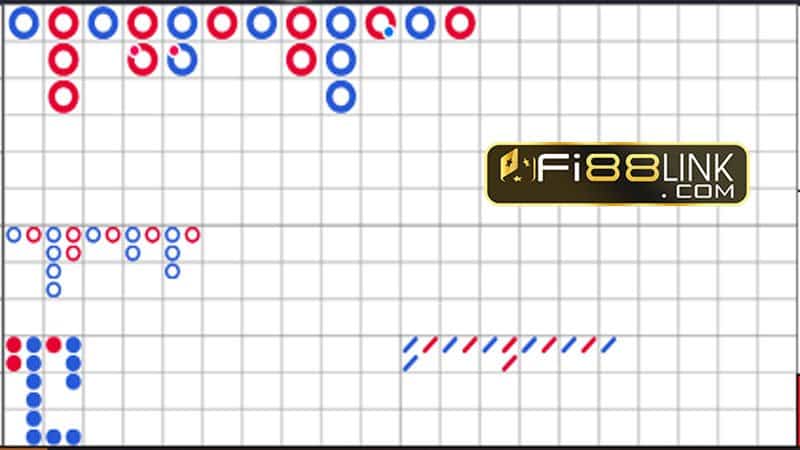
Cầu 1-1 được hiểu một cách đơn giản là thời điểm mà Rồng và Hổ cùng xuất hiện tương đương nhau. Tỷ lệ xuất hiện của 2 cửa cược sẽ gần như bằng nhau và sẽ xuất hiện liên tiếp trong nhiều ván cược.
Khi thấy cầu này xuất hiện, mọi người hãy nhanh chóng nắm bắt chúng để xuống tiền ngay lập tức. Đây chính là cơ hội làm giàu đơn giản nhất mà các bạn không được phép bỏ lỡ. Hãy cố gắng chú ý quan sát từng ván cược, cẩn thận ghi lại kết quả cuối cùng. Từ đó, các bạn hoàn toàn có thể tính toán được tỷ lệ xuất hiện của cửa Rồng và Hổ rồi đưa ra quyết định cuối cùng.
Soi cầu 2 – 2 trong game bài Rồng Hổ
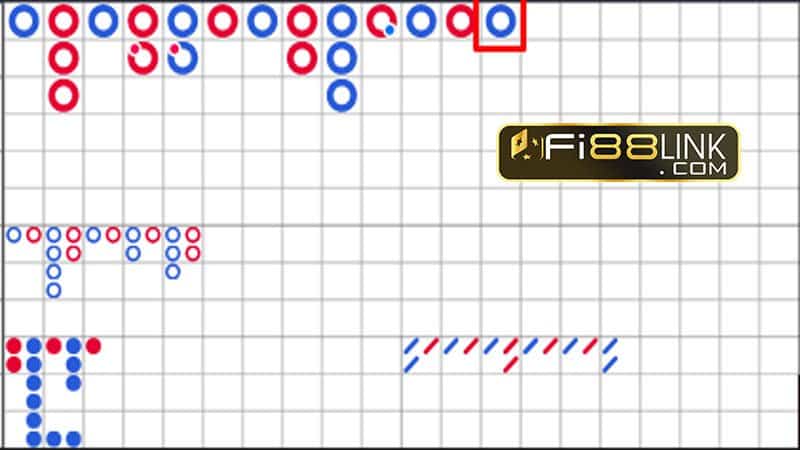
Tương tự như cầu 1 – 1 nhưng có 1 điểm khác là cầu 2 – 2 là tuần suất ra Rồng và Hổ là 2 ván thay vì 1 ván như 1 – 1. Cầu 2 – 2 là 1 trong những cầu cơ bản và rất đơn giản để nhận biết. Tỉ lệ mang lại chiến thắng lại rất cao.
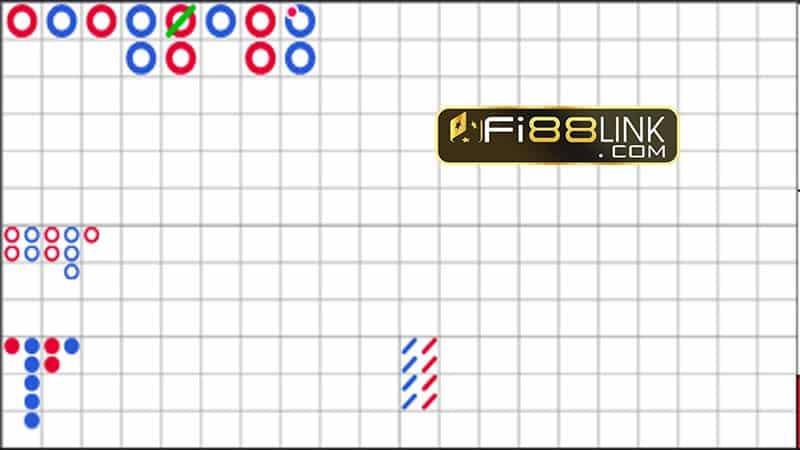
Ngoài ra khi soi cầu 2 – 2, người chơi áp dụng thêm phương pháp gấp thếp để tăng hiệu quả. Lưu ý rằng, cách chơi này chỉ áp dụng cho những ai có số tiền vốn lớn, đủ chi trả cho những lần xuống tiền lớn. Khi kết hợp với gấp thếp, tỷ lệ chiến thắng của người chơi gần như là 100%, rất khó để thua cược.
Cách soi cầu bệt trong Rồng Hổ
Khi tham gia soi cầu Rồng Hổ, mọi người cũng nên dành ra sự quan tâm đặc biệt với cầu bệt. Nó sẽ xuất hiện khi trên bàn cược bắt đầu xuất hiện các dãy số giống nhau. Loại cầu này sẽ có tần suất xuất hiện tương đối cao, dễ dàng nắm bắt. Chính vì thế, nhiều cao thủ và chuyên gia đều khuyên tân binh rằng dựa vào cầu bệt mà thắng cược.
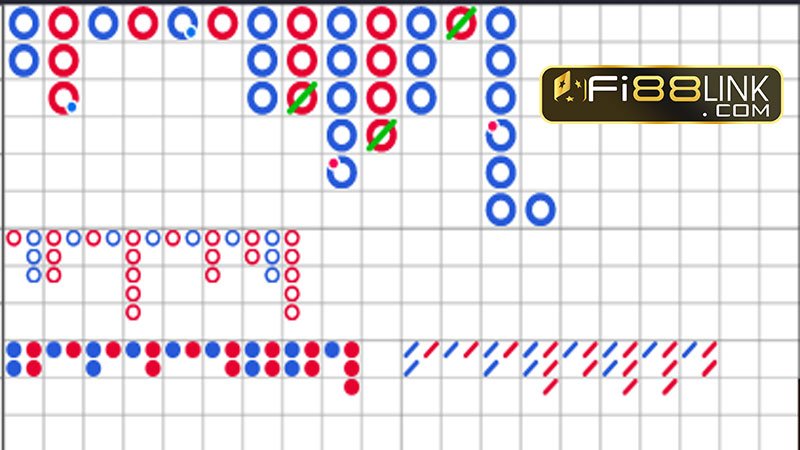
Người chơi cũng chỉ cần quan sát thật kỹ các ván cược Rồng Hổ và tìm ra các dãy số giống nhau. Một khi phát hiện ra, các bạn không được chần chừ mà nhanh chóng xuống tiền luôn. Bởi lẽ tỷ lệ chiến thắng của bạn sẽ rất cao, đặc biệt bạn lại còn có thể thắng liên tiếp nhiều ván.
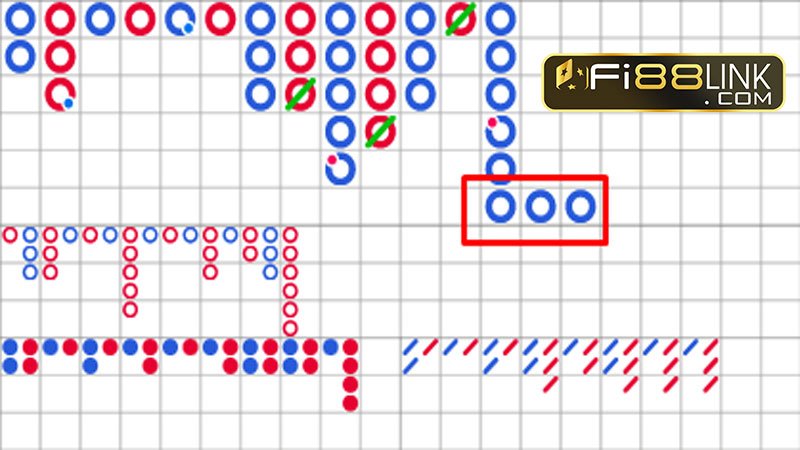
Theo tính toán của dân chuyên, nếu như bạn bắt được cầu bệt trong Rồng Hổ thì bạn có thể thắng 8 trận liên tiếp. Từ đó, đã không có ít người thành công và giàu to sau khi áp dụng cách này.
Xem thêm: Các cách chơi Rồng Hổ tại Fi88 đơn giản
Sử dụng phương pháp bẻ cầu trong trò chơi Rồng Hổ
Có lẽ, bẻ cầu là phương pháp soi cầu Rồng Hổ được các chuyên gia đánh giá là mạo hiểm nhất. Nhưng với tỷ lệ ăn thưởng cực cao thì cách soi này vẫn có được sức hút lớn với người chơi.
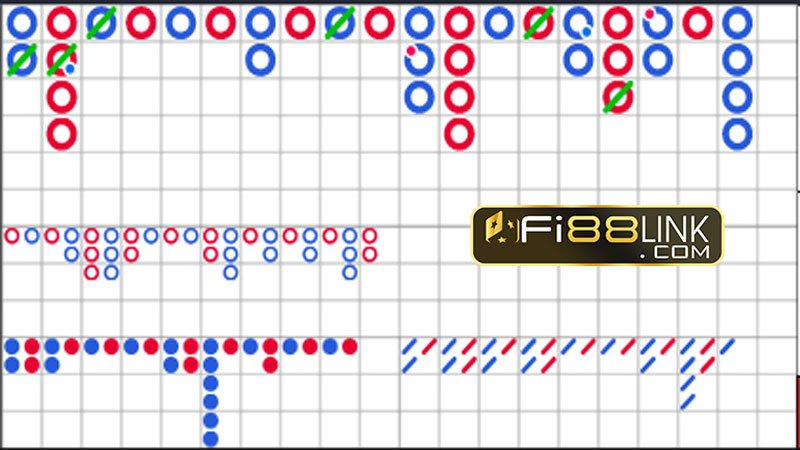
Cách chơi này đòi hỏi cược thủ không chỉ có sự tinh ý mà còn phải nhanh nhạy, tư duy logic và nhạy bén. Người chơi sẽ phải tìm ra các dây liên tiếp để có thể bẻ cầu thì mới chiến thắng được. Hiểu một cách đơn giản, bạn chỉ việc quan sát tỉ mỉ và tiến hành ngắt cầu ngay khi có cơ hội là được.
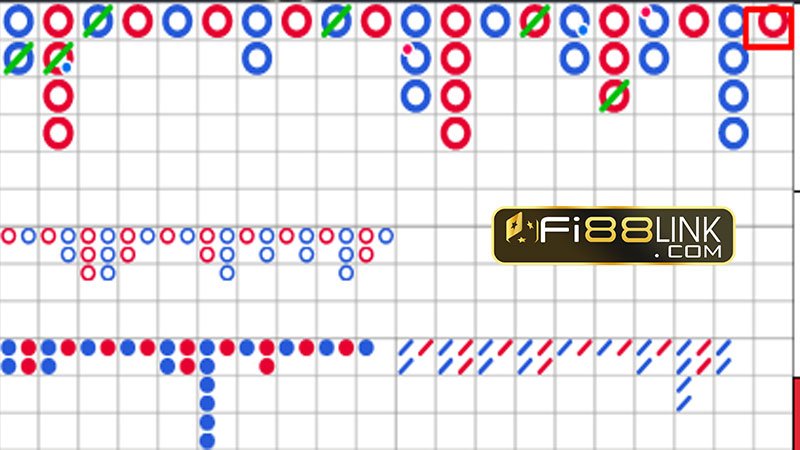
Một ví dụ đơn giản về cách áp dụng phương pháp bẻ cầu trong Rồng Hổ cho mọi người dễ hiểu như sau. Nếu như bạn thấy 1 dây liên tiếp xuất hiện cửa Rồng thì ván tiếp theo nhiều khả năng sẽ là cửa Hổ.
Cần lưu ý những gì khi tham gia soi cầu Rồng Hổ
Ngoài những phương pháp soi cầu Rồng Hổ trên, người chơi cũng nên biết thêm những lưu ý dưới đây. Nó sẽ giúp bạn tự tin hơn, chắc chắn hơn với quyết định của bản thân mình:
Chỉ nên tham gia tại những nhà cái uy tín chất lượng
Đây được xem là lưu ý quan trọng nhất, người chơi cần phải lưu tâm nhất khi tham gia soi cầu Rồng Hổ.
Bởi lẽ hiện nay, số lượng nhà cái cổng game mọc lên như nấm để đáp ứng nhu cầu người chơi. Nhưng bên cạnh đó, không ít đơn vị được xây dựng lên nhằm chuộc lợi cá nhân, lừa đảo thông tin và tài khoản người chơi. Rất nhiều người chơi đã bị rò rỉ thông tin, thậm chí là mất sạch tiền vốn khi truy cập vào những địa điểm thiếu uy tín ấy.

Do vậy, nếu như bạn không biết nên tham gia trải nghiệm ở đâu thì có thể tham khảo từ những người có kinh nghiệm chơi lâu năm. Ngoài ra, các bạn cũng có thể xem các đánh giá, nhận xét trên các hội nhóm tại các trang mạng xã hội.
Học hỏi và luyện tập các kỹ năng trước khi soi cầu
Nhiều người chơi hiện nay vẫn còn quan niệm rằng chiến thắng trong game bài Rồng Hổ là nhờ có yếu tố may mắn và hoàn toàn ngẫu nhiên. Nhưng để có được điều đó thì không ít người đã phải luyện tập không ngừng nghỉ các kỹ năng cần thiết.
Mọi người nên dành thời gian để tìm hiểu về cách soi cầu Rồng Hổ và những kinh nghiệm đi kèm. Bên cạnh đó, các bạn cũng không nên quá vội vàng xuống tiền nhiều và thiếu suy nghĩ trước khi ra quyết định. Bạn có thể đặt cược nhỏ ở những ván đầu để làm quen rồi tăng dần dần ở những ván chơi tiếp theo.

Hơn nữa, các bạn cũng nên ghi nhớ và học thêm các kinh nghiệm soi cầu Rồng Hổ từ các cao thủ và người chơi trước. Có như thế, các bạn mới có thể hoàn thiện bản thân mỗi ngày, dần dần trở thành tay chơi chuyên nghiệp.
Không nên đặt cược vào cửa Hòa nếu muốn thắng lớn
Không nên đặt cược vào cửa Hòa chính là điều mà không ít người chơi lâu năm khuyên nhủ khi soi cầu Rồng Hổ. Tuy rằng số tiền ăn thưởng của cửa này cực kỳ lớn nhưng khả năng chiến thắng lại vô cùng thấp. So với cửa Rồng hay cửa Hổ, chiến thắng cửa Hòa không hề khả thi với những người chơi không có nhiều kinh nghiệm.
Nếu như bạn vẫn cố chấp lựa chọn cửa Hòa để đặt cược để nhận số tiền thưởng lớn. Có thể rằng, bạn sẽ thắng được 1 đến 2 lần nhưng số tiền vốn mất đi của bạn sẽ còn nhiều hơn tiền bạn nhận được.
Lời kết
Như vậy, bài viết hôm nay đã chỉ ra cho mọi người các cách soi cầu Rồng Hổ chính xác và hiệu quả nhất hiện nay. Bên cạnh đó, những lưu ý mà cao thủ đưa thêm sẽ giúp người chơi gia tăng thêm tỷ lệ chiến thắng. Do vậy, mọi người còn chần chừ gì mà không tham khảo ngay và tiến hành đặt cược để có cơ hội chiến thắng.
